Japan- Myths And Stereotypes

This country has always attracted with its unusual civilization, the echoes of which fell along with films, books, stories of those few who have already been there. Now air travel to Japan is not something supernatural and in terms of affordability can compete with a trip to Norway or Denmark.

A trip to Japan will get rid of stereotypes

TOUR TO JAPAN WILL DISPEL ALL STEREOTYPES AND MYTHS

But still, there are a lot of stereotypes, and sometimes myths about luxury destinations in Japan, which are surprisingly persistent and tenacious in the minds of domestic tourists. Moreover, some historical myths about Japan were adopted by Hollywood and from there they spread throughout the whole world.Japan holiday destinations

UNUSUAL TASTES OF THE JAPANESE

Those who think that the Japanese cannot imagine life without sushi and rolls are also waiting for disappointment. In ordinary life, the inhabitants of the Land of the Rising Sun adore pork, various fatty sauces, miso soup and noodles with a lot of fried meat and vegetables. In general, the healthy nutrition of the Japanese is a myth. But the taste preferences of the Japanese in desserts and drinks to Europeans may at least seem strange.

Japanese fast food is not sushi and rolls

Tuna and lemon-flavored ice cream or spicy ginger and sea urchin caviar flavour pudding. And drinks, even world manufacturers produce purely Japanese tastes: Coca with the taste of baobab fruits, Pepsi with the taste of strawberries and milk, Sprite with the taste of salted watermelon – were created for those who love new tastes.

The Japanese themselves prefer to eat fish not in pathos restaurants, but in fish markets, which are in any city near the coast. All Japanese fish markets have small eateries where they will always cook bought fish or any other seafood that can be eaten right away with a local beer, which is subtly different from our usual taste.

Hospitality is the main reason for the development of Japanese society

But the spread of opinion about the politeness and performance of the Japanese is absolutely true. Residents of Japan welcome any visitor with the attitude of hotel and restaurant staff in resort places and cities of the country with their impeccable politeness and efforts to help tourists as much as possible.

This applies to almost the entire service sector, being rude and speaking rudely to the Japanese is simply a shame. And shame is the main motivator of Japanese society. The striking performance of the Japanese, who are ashamed to work poorly, is also associated with this.

ELDERLY AND EXPERIENCED GEISHA

And finally- geisha. Every second man who chooses Japan holiday destinations, dreams of a date with pretty and mysterious geisha who know how to feel the male soul. This is one of the most persistent stereotypes, fuelled by art since the 19th century. In fact, a meeting with a geisha does not promise any positive emotions for a compatriot. Because instead of young fragile girls, most likely a dreamy tourist will meet with an experienced master of geisha art of 35-40 years.

4,966 total views, no views today

A Cruise To The Finest Destinations In Japan

Among the various quarters of Japan luxury tour enthusiasts, the land of the rising sun is usually associated with ultra high-tech cities and world-beating food to its grand temples and bamboo forests. It is mostly true as there is really is no other country like Japan.

With over 6,800 islands in its archipelago, a cruise is one of the best ways of seeing Japan with itineraries taking in multiple cities and ports. Setting the tone for the country’s great metropolises are the towering skyscrapers of Tokyo, criss-crossed by neon-lit backstreets, pedestrian crossings and wooden shanty bars. It’s also got the highest number of Michelin starred restaurants in the world, not least Sukiyabashi Jiro, a three-starred sushi restaurant located in an unpromising basement adjacent to Ginza Metro Station.   Japan luxury tour

Then there are the bright lights of Osaka, the perfect foil for nearby Kyoto’s incredible density of shrines and temples, and the warm, traditional Japanese welcome of Fukuoka. Home to a 17th century Edo-period castle, the latter is famous for its rich and tasty, pork based Hakata ramen

Moving east, while Hiroshima’s history is painfully overshadowed by the events at the end of World War II, today its Peace Memorial Park and leafy boulevards are well worth a visit. Nagasaki, once similarly blighted, is also coming into its own as cobblestone streets reward travellers with evocative shrines, churches and temples, framed by a sweeping harbor and hilly landscape. Another rare show of art and artifact is the Koshibyo Shrine which distinguishes itself as the only Confucius shrine the Chinese built outside of their homeland.

However, head out of the cities and you’ll find perhaps Japan’s best-kept secret – its spectacular countryside. The main is bisected by the the Japanese Alps stretch from Tokyo until they fall dramatically into the Sea of Japan. Dotted with temples, tearooms and castles, they offer fantastic hikes, skiing and welcome respite in naturally occurring onsen hot springs. During the warmer climates, the coral reefs, cobalt-blue waters and sweeping beaches of cruise-favourite Okinawa Island give vives of the other Asian countries like Bali. The ships often pay a small visit at Shimizu where a shogun burial ground has fantastic views to the conical peak of Mount Fuji.

 Japan luxury tour

When is the best time to go cruising to Japan?

Spring (March to May) and Autumn (September to November) is the best time to visit Japan. Spring is when Japan’s famous cherry trees bloom. At the outset of March, the sakura zensen (cherry tree blossom line) advances northward, usually passing the main cities of Honshu and Hokkaido from early April. As the autumn foliage line reverses the advance of the cherry blossom, starting in the north in October and peaking across Honshu in early-to-mid November.

For a more profound and pronounced Luxury Travel in Japan, it is always advised to have the input and assistance of the luxury tour operators Gurgaon as they are the ones who can better plan your tourney without putting you in a spot of bother.

4,542 total views, 6 views today

A Soothing Tour of Tokyo’s Nezu Shrine

A Luxury Travel in Japan is like a lyrical ballad which keeps getting better with every line. Japan has vast and immensely pleasant riches in the form of colorful shrines, fascinating geisha districts and age-old Buddhist temples that stand witness to the country’s rich cultural heritage and ancient history. Add another leaf to the Tokyo’s Nezu Shrine, a small natural haven north of the city’s center. More secluded than the larger Shinto shrines and Buddhist temples in the capital, Nezu remains a wonderful off-the-radar spot for travelers seeking a bit of peace and quiet. Let’s find out more reasons to visit

Luxury Travel in Japan

Perhaps the most photographed area of Nezu Shrine is the long tunnel of vermilion torii gates. It is under the sponsorship of the local businesses and citizens, these simple wooden arches stand as offerings to the Shinto gods that inhabit the world along with us mortals. The most famous display of torii is undoubtedly Fushimi Inari in Kyoto, and hence attracts the highest number of footfall. Nezu Shrine offers a less-traveled spot for admiring these striking arches free of crowds. So what you do not include Kyoto in your luxury travel itinerary Nezu Shrine is a worthy alternative for your picture perfect moments. In the heart of the complex lies the honden main shrine, an inviting edifice colored in vivid hues and glittering gold. Although damaged in the allied bombing raids of WW2, the honden was carefully restored after the war to its former grandeur. In fact, Nezu Shrine is the largest of the restored Edo period Shinto shrines in Tokyo. The honden’s bright appearance is sure to be one of the most memorable parts of your visit to Nezu Shrine.

The springtime flower festival is an event you simply cannot miss. After the last of the cherry blossoms have fallen, visitors to Nezu Shrine have little to be sad about. The shrine grounds contain thousands of azalea bushes that burst into color in late April and early May. Various shades of purples and pinks stand out beautifully in contrast to the long procession of torii gates that wind over the low hills on the shrine precincts. It’s this colorful festival that earned Nezu Shrine the moniker of “Tokyo’s Most Beautiful Shrine.” Nature lovers should consider a trip to Japan that begins in Tokyo right at the start of May. You’ll avoid the crunch of cherry blossom crowds and still be in time to catch the azaleas at Nezu.

Luxury Travel in Japan


Lastly, the neighborhood is simply delightful. There are plenty of spots wherein one can pick the local snacks. One such example would be taiyaki red bean sweets, crispy senbei rice crackers, and even donuts shaped like cat tails.

Whether it is the searcher of beauty in your or the one looking for a calming visit. Or even an absolute foodie who is not averse to exotic tastes, Japan is the place to be. The Nezu Shrine is one of the many feathers in the already vibrant country of Japan which is yet to get the recognition from the zealous tourists usually visiting the West.

4,577 total views, no views today

Vacations And Resorts In Japan

Japan is a well-known and highly developed country: the standard of living here is higher than in many European countries, including Austria, France, Italy, Spain, etc. However, the lifestyle of the Japanese, their social structure, their traditions, and culture remain a mystery to residents of other countries, and especially Western, in which everything is “different.”

Among the Russian tourists, there are still few who want to go on holiday to Japan: we often choose less expensive Japan holiday destinations– for example, the countries of South-East Asia, leaving the Japanese “exotic” for the future, and in vain. Holidays in Japan are considered expensive, but everything is relative here: at relatively high prices, in general, local resorts can be called luxurious, and the level of service is the highest.

At the same time, the cost of the rest can be reduced in different ways, and one of them is the choice of hotel. In Japan, even “two-star” hotels offer a higher level of service than in many countries that are also considered developed, and even a “hot” tour can always be found – discounts are tangible. Planning also helps to reduce costs: when you are going to travel around Japan, decide in advance what purpose you will go to this amazing country in all respects.

It can be said that in Japan now “there is everything”: there are many unique sights for history lovers and for those who are more attracted by modern achievements – the technological wonders of the Japanese have long been of considerable interest in the world. Choosing a specific city, you can relax with comfort at luxury destinations in Japan, as well as make the holiday informative, interesting and memorable.


Harmonious Japanese Contrasts

In this sense, the capital of the country remains out of competition: in Tokyo, one of the largest cities in the world, the modern rhythm of life and state-of-the-art technologies incomprehensibly “get along” with the traditions of their ancestors, literally soaking the life and worldview of the Japanese.

True, they say that in Yokohama and Osaka one can see almost the same thing: dynamism, the rapid development of business and the highest level of technology in them are also perfectly combined with the tangible influence of the past.


One of the richest in the cultural and historical sense is called the one that emerged in the VIII century AD. Kyoto is the ancient capital of Japan, with hundreds of Buddhist and Shinto temples, with dozens of unique palaces and lush gardens. Almost all architectural monuments unobtrusively fit into the surrounding nature, making up with it one harmonious whole.

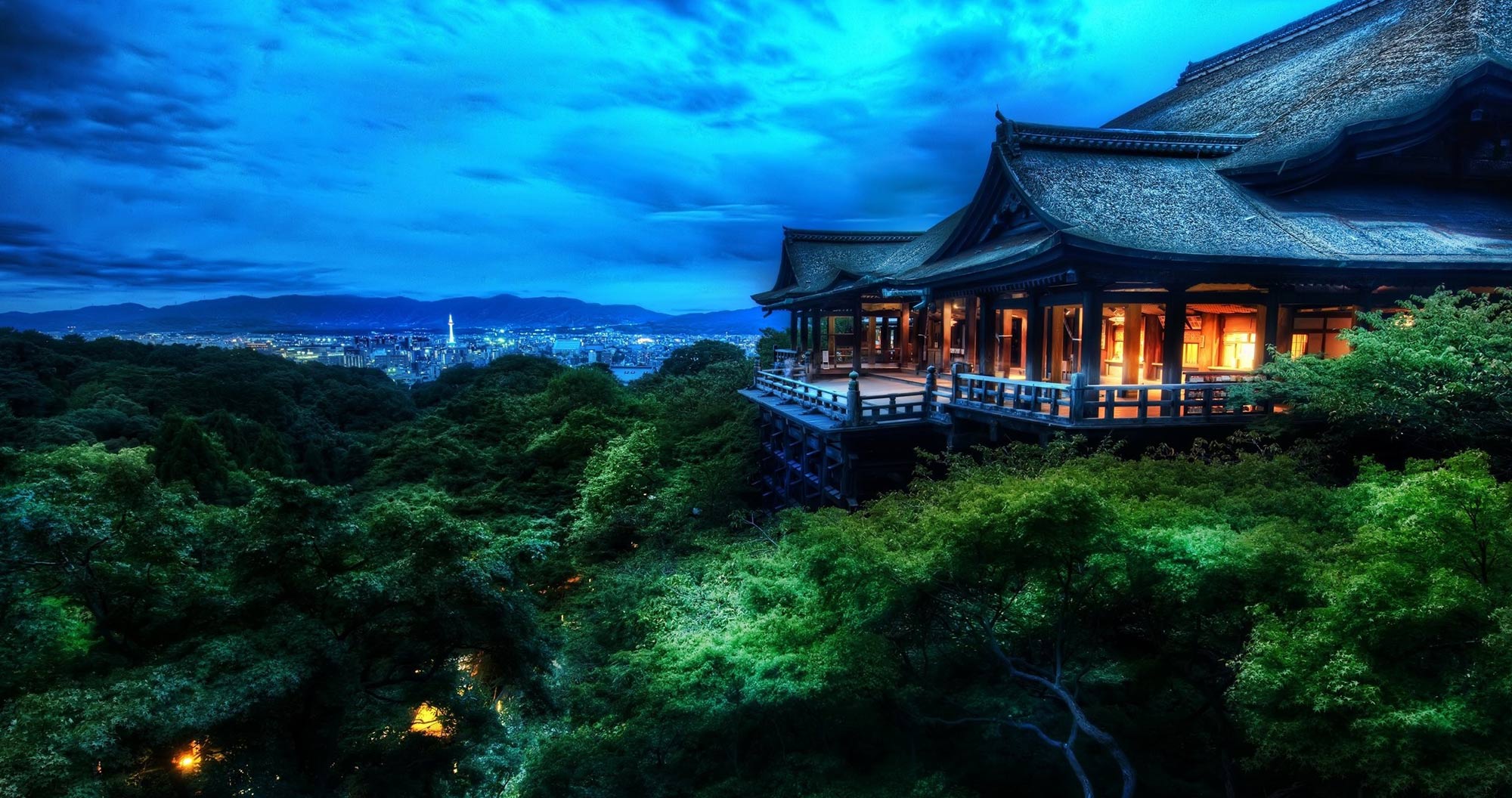
For example, as Kiyomizu-Dera – one of the most famous temples in Japan, located on the mountainside at the waterfall, and daily receiving thousands of pilgrims and tourists from different countries.

It is in Kyoto, in the Gion region, you can see the real culture of geishas – in almost the same form as a century ago. And arriving in Kyoto in April, you can get to the Miyako Odori festival, and see the rich and colorful geisha dance shows with your own eyes, and at quite affordable prices – depending on the choice of location.

5,826 total views, no views today

Travel Japan – The 8 Mistakes To Avoid During Your Stay

Travel Japan – If you plan to go to Japan soon or you are already there, you should know that the luxury destinations in Japan is highly codified. Many rules of conduct are followed and sometimes foreigners, mostly ignorantly, do not apply them.

  1. Avoid giving tip

If giving advice is more or less the norm in Europe and even more in the United States, this is not the case in Japan. Also if the service was excellent, do not leave your money because, at best, it will be a gesture that we will not understand. But most often, it is seen as a scornful and arrogant act.

  1. Not completing the dish

The Japanese do not spoil anything when cooking and try to use all the ingredients at their disposal without throwing anything away. So, they are waiting for us to do the same when we eat the dishes they serve us.

And it’s right in restaurants but also when you are invited to Japanese friends. So try not to leave anything on your plate, leave to eat slowly and order as you go.

  1. Eating or drinking in the streets

There is no law, but it is indeed awful to eat or drink on the road, especially to walk. This is also the case in the subway where the Japanese avoid eating there for the sake of cleanliness. To eat a sandwich, it is advisable to stop on a bench for example and eat well in peace, without risk of dirtying or embarrassing someone.

  1. Crossing pedestrian when the light is red

Pedestrian lights should be respected all over the world, but in Japan this rule is followed religiously. And “gaijin” (foreigners) are often seen as troublemakers because they are used to crossing the street at any time. So try to avoid doing this to prevent dirt and accusing looks.

  1. No Physical Contact

In Japan, we most often avoid physical contact and we say hello without touching. Forgetting the tightening of hands even if it is still tolerated in the workplace for example. On the other hand, kissing girls, you remember because it will scare them more than anything else. Same for the slaps on the shoulder.

  1. Entering house or temple with shoes

In most Japan holiday destinations and inside temples, it is customary to take off your shoes to show respect for the place. Do not do it is indeed seen as a drama! In a Japanese house, the family will give you slippers to walk inside the house. If you want to go to the washroom, there are some kinds of sandals to wear instead of slippers inside the toilet.

  1. Not Queueing

It may seem natural, but lining up in Japan is really important to respect. If you are not queuing then it might be comfortable for many.

  1. Pointing a finger

Even if it is to designate someone without evil intentions, it is insulting to look someone in Japan. It is usually an accusatory gesture to avoid entirely.

5,224 total views, no views today